
SAAMO Limburg / Belgium: „We bring people in socially vulnerable situations together. We transform shared concerns into collective solutions.“
Diana Zangari
SAAMO Limburg is a vibrant, social network organization with more than 80 driven employees, 10 board members, and hundreds of enthusiastic volunteers. We are part of the SAAMO sector that is not only active in Limburg but also in other cities and provinces in Flanders and Brussels.
Our independent and pluralistic non-profit association was founded in 1993. We are recognized and subsidized by the Flemish Community, the Department of Welfare, Public Health and Family, local authorities, and various funds.
SAAMO Limburg engages in community development work. This is a form of social work that brings people together through innovative project work and committed neighbourhood work, to work on tangible and sustainable solutions. Together with people in vulnerable positions, SAAMO's community development workers develop models, initiate improvements in policy and regulations, and build public awareness.
Tackling exclusion together
SAAMO Limburg supports and strengthens socially vulnerable groups. After all, people in a socially vulnerable position face many challenges. Together, we work on solutions. To this end, we build on their strengths and talents. We also provide feedback to policymakers.
Together, we work on fundamental social rights for everyone.
An affordable and good home. A suitable job. A healthy meal on the table every day. Money?to build a social life. For many, this is not a given. The unequal organization of our society creates vulnerability and exclusion. Through innovative project work and committed neighbourhood work, community development brings people together to work on actual and sustainable solutions.
Together with people in vulnerable positions, our community workers also develop models, push for fairer policies, and build public awareness.
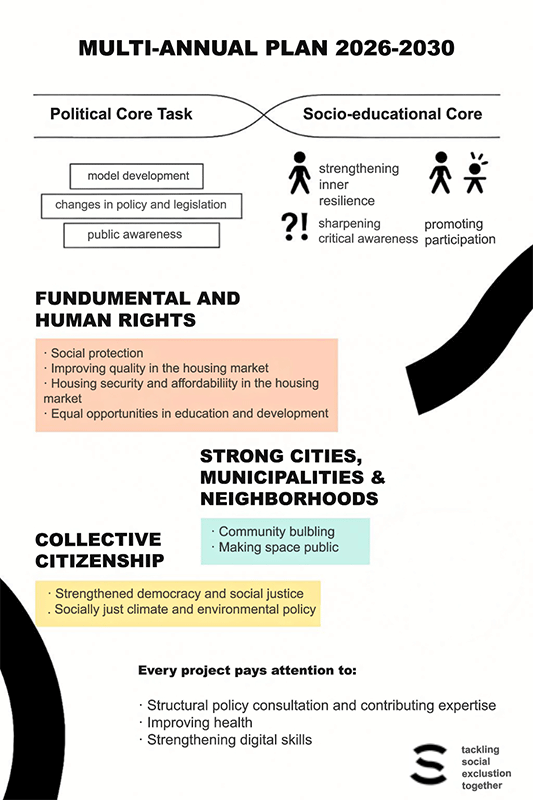
Image 1: SAAMO’s multi-annual plan 2026-2030 (Source: SAAMO)
Fundamental and human rights as a compass
Within the current five-year policy period, SAAMO is working on the realization of various fundamental and human rights, on stronger neighbourhoods and cities, and on collective citizenship, in which there is a strengthened sense of solidarity among people.
Collaborating with partners
Day in and day out, our community workers dedicate themselves to our projects. They do so in close collaboration with boards, civil society organizations, schools, private organizations, companies …
Working towards an inclusive society
In strengthening focus areas with an emphasis on vulnerable neighbourhoods, SAAMO Limburg helps build the places and opportunities that enable encounters between residents and users of the focus area. Through these encounters, we foster dialogue and negotiation. Where people and groups come together, various interests exist that sometimes clash. We want to make these interests visible and open for discussion. In this context, we encourage solidarity within (super)diversity. In the solidarity networks and projects we establish, people share time, resources, and space with one another.
In local educational development projects, SAAMO Limburg undertakes processes with school teams to provide support in dealing with diversity and poverty. This is done by bringing the perspectives and experiences of parents and/or students in a socially vulnerable position into the school, together with them.
As part of our pursuit of a strengthened democracy and social justice, SAAMO builds bridges to people who are not in a socially vulnerable position. Community workers focus on connecting with solidarity networks. Within solidarity networks centred on diversity, community workers facilitate dialogue on social justice, bring frictions to the surface constructively and in a way that is safe for everyone, and seek out what connects people.
Inextricably linked features that characterise our approach
Basic work
Our community workers work with people who face social vulnerability in various ways. This takes place both in neighbourhood initiatives where people come together, and through outreach work within an area where people and their ideas are brought together.
Specifically, community workers create space to build a bond of trust with people in vulnerable positions. They also support them in establishing lasting relationships with each other and with their wider environment. Additionally, they focus on bringing out their strengths so that they can take control of their lives. They do this together with volunteers, including people from the target group.
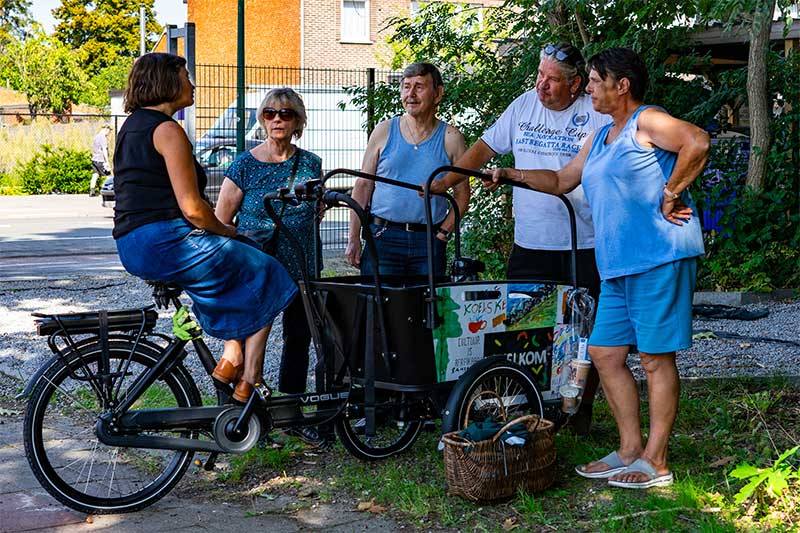
Image 2: SAAMO’s outreach work (Source: SAAMO)
Within neighbourhood initiatives and through outreach grassroots work, community development workers analyse social problems. They do this together with the people who find themselves in a vulnerable position due to these problems. This joint analysis makes it possible to identify needs for other organizations, services, and policymakers. But above all, it is essential to arrive at tangible and innovative solutions, which is the constant goal of social community development work.
Development and innovation
Community development workers develop solutions for social problems. They do this together with people in vulnerable positions. Their experiential knowledge regarding the bottlenecks they experience in their daily live, working, and living environments is crucial to having a relevant impact. The solutions for social vulnerability that community development workers develop together with the target group are tangible and often innovative. To achieve this, time and space are created to experiment and to make adjustments.
There is also scope for thorough evaluation. This reveals whether a project can be built upon, whether a solution can be scaled up, or whether a project does not offer an adequate answer to the societal problem for which a solution was sought. When developing solutions, principles of sustainability are taken into account. The eight regional institutes of SAAMO exchange best practices. In this way, we build expertise and work towards economies of scale.
Scaling up and policy work
Community development strives for structural solutions to societal problems. Based on this objective, our community workers work on scaling up effective solutions they have developed together with the target group. To this end, partnerships are established with public and private actors. We turn to policymakers when structural solutions require an adjustment of policy and legislative frameworks. In this way, we make the voice of people in vulnerable positions heard.
Participatory work with the target group
The work of SAAMO Limburg is primarily aimed at combatting general societal disadvantage and the disadvantages of specific groups and citizens in society. These are people who, due to their social situation, are unable or insufficiently able to participate in this society and/or make use of a number of fundamental basic rights.
We want to realize the right to a dignified existence for everyone. This presupposes that we work towards the effective involvement of groups with less represented interests, both on principle (based on our vision of democracy, recognition of rights, society, and citizenship) and pragmatically (in terms of the quality, efficiency, and effectiveness of proposed solutions), and at both a societal and policy level.
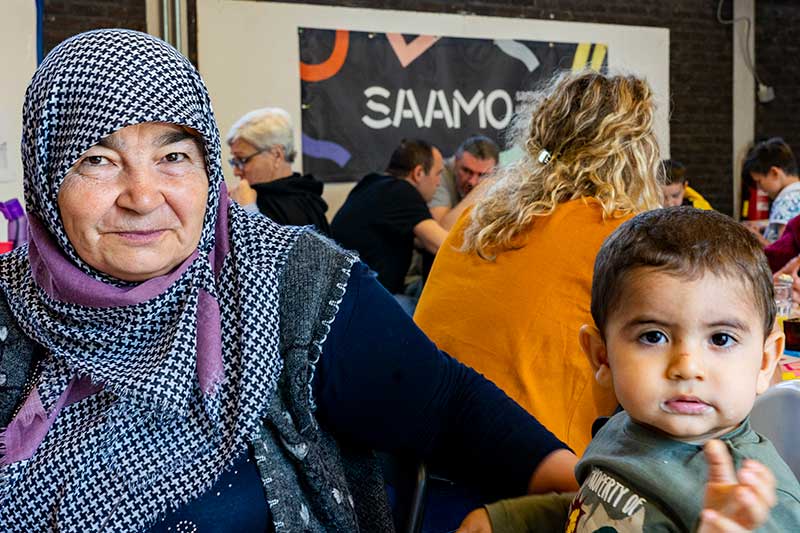
Image 3: Participation with target groups (Source: SAAMO)
This also means that we take the effective involvement of the target group in realising both core assignments as our starting point. This is likewise the case in our own practice: the target group is involved in the design, implementation, and evaluation of the strategic actions. We do not do it for them, but with them.
Acting autonomously
SAAMO Limburg primarily chooses to stand on the side of groups in socially vulnerable positions. This requires a certain degree of autonomy.
Entering into partnerships
Our societal mission and unique nature make it necessary to collaborate with others on structural solutions. After all, situations of marginalization and exclusion are such complex societal problems for which solutions are never simple or in the hands of a single actor. Therefore, we must work together with both partners and solution providers.
Collaborative partners are actors working on solutions or objectives similar to ours. However, they do not always possess the necessary decision-making or implementation authority for these solutions. Solution actors, on the other hand, do have the authority to decide on or implement solutions for societal problems we are working on. Both actors are necessary stakeholders for tackling social exclusion, together with the explicit participation of people in vulnerable situations.
Zitiervorschlag
Zangari, Diana (2026): SAAMO Limburg / Belgium: „We bring people in socially vulnerable situations together. We transform shared concerns into collective solutions.“. In: sozialraum.de (17) Ausgabe 1/2026. URL: https://www.sozialraum.de/saamo-limburg-belgium.php, Datum des Zugriffs: 17.10.2026